Create this precious Easter basket out of chocolate
- Kim Simons
- March 25, 2020
- 2 mins
- Kim's Kitchen
- chocolate easter edible paper seasonal tutorial
Originally published at: https://www.riverreporter.com/stories/create-this-precious-easter-basket-out-of-chocolate,36620
Around the first of the month, I saw eight robins hanging out in my backyard—always a welcome sign for me that spring isn’t far away.
Yes, I admit that I feed birds year-round, having finally discovered a squirrel-proof bird feeder that is actually squirrel proof. And since those little gray tormenters don’t even bother trying to get in anymore, there is no lack of feathered-friend sightings in my neck of the literal woods.
But the robins mean spring, and spring means hikes outside and the onset of warmer weather to come—always preferable for me, since I love being outside without freezing.
Spring also comes with traditions and holidays: Spring cleaning, Passover, Easter.
Of course, in the competitive Cake World, Easter is huge—the bunnies, eggs, candy and baskets associated with its more secular celebrations are ideal for cake and sugar artists to go wild… which we often do.
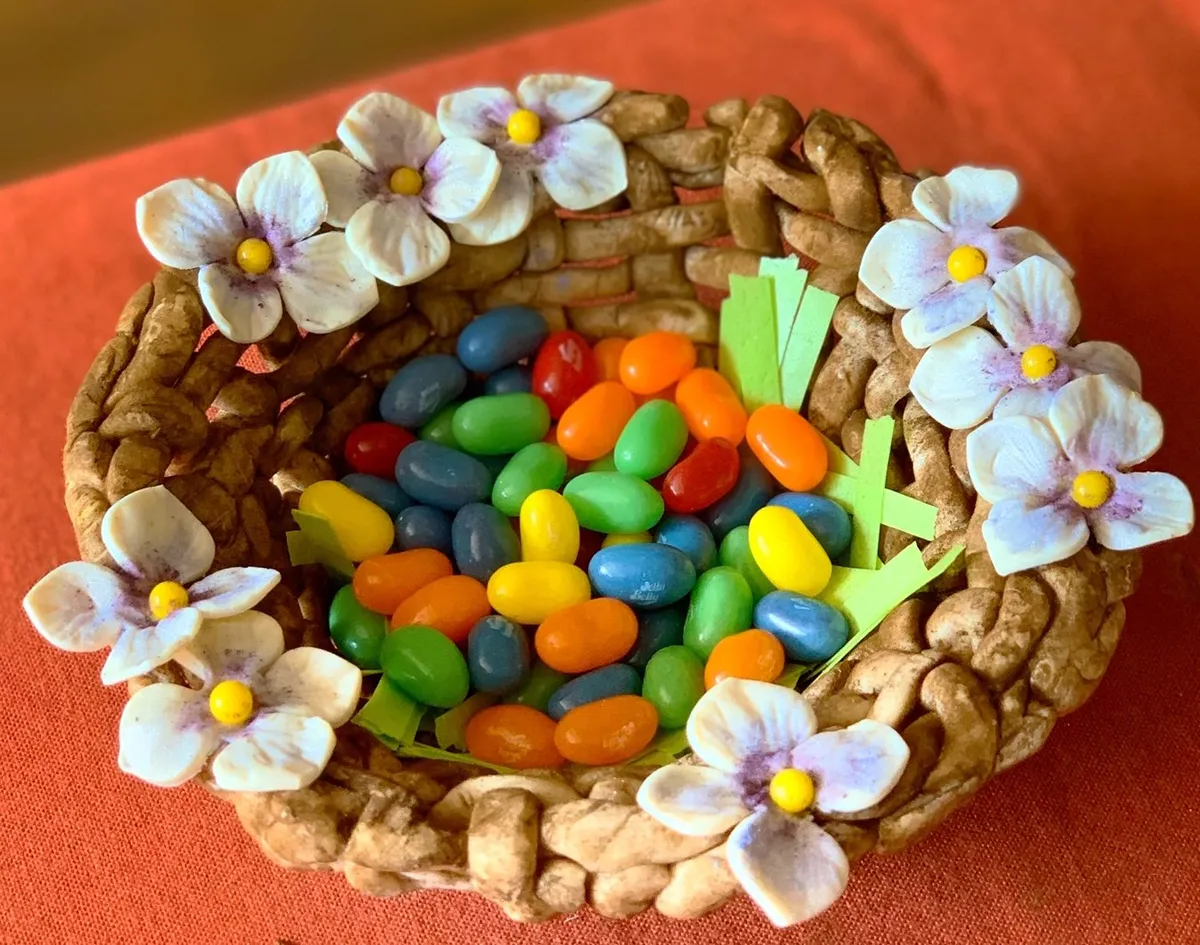
I thought, given the season, that it would be fun to show our readers how to make an Easter basket of their own out of chocolate.
Chocolate Easter Basket
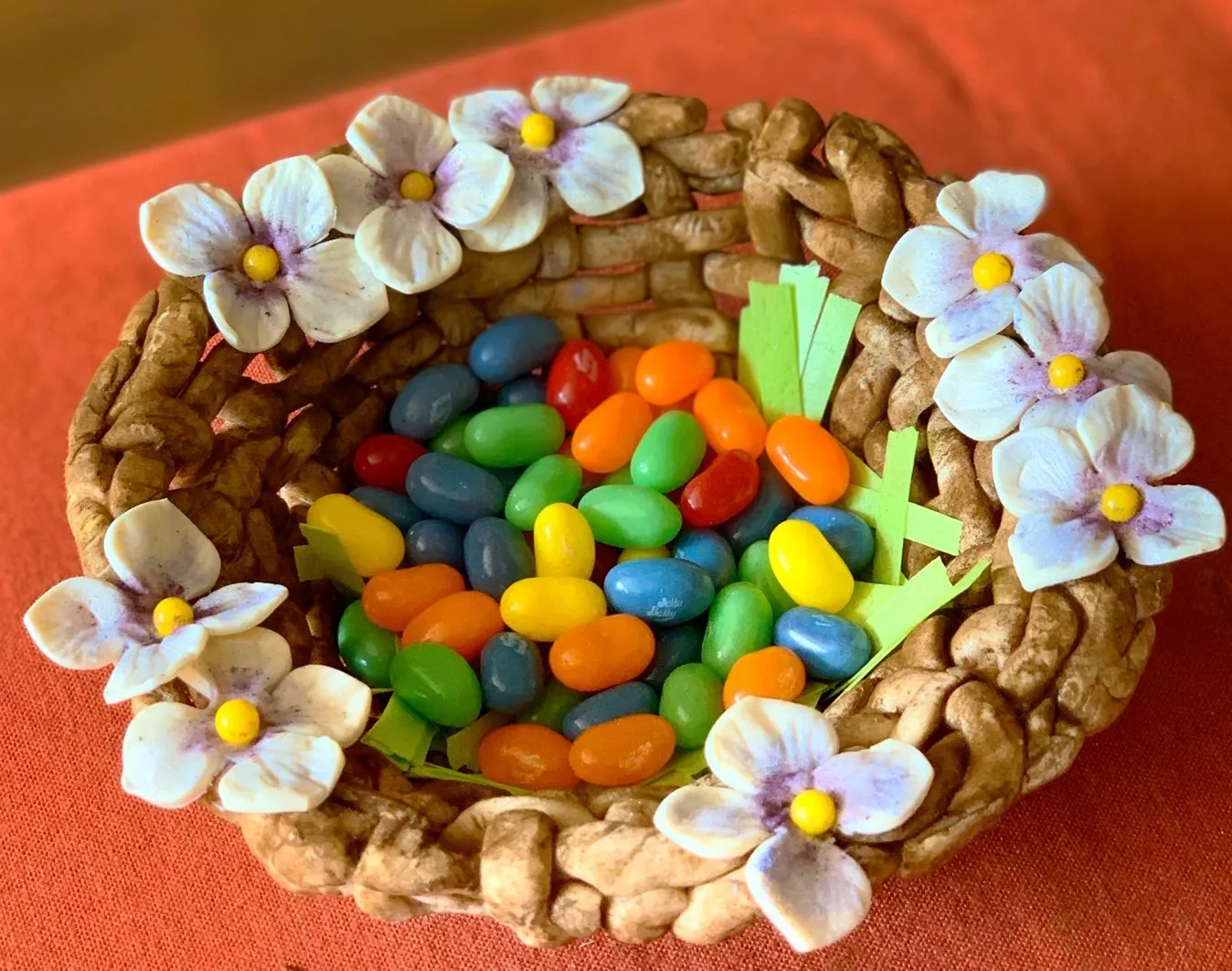
Weave modeling chocolate strips over a Styrofoam bowl to form a woven Easter basket, then paint and fill it with candy and wafer-paper grass.
Supply List
Instructions
- Make about 18 1-inch balls out of modeling chocolate.
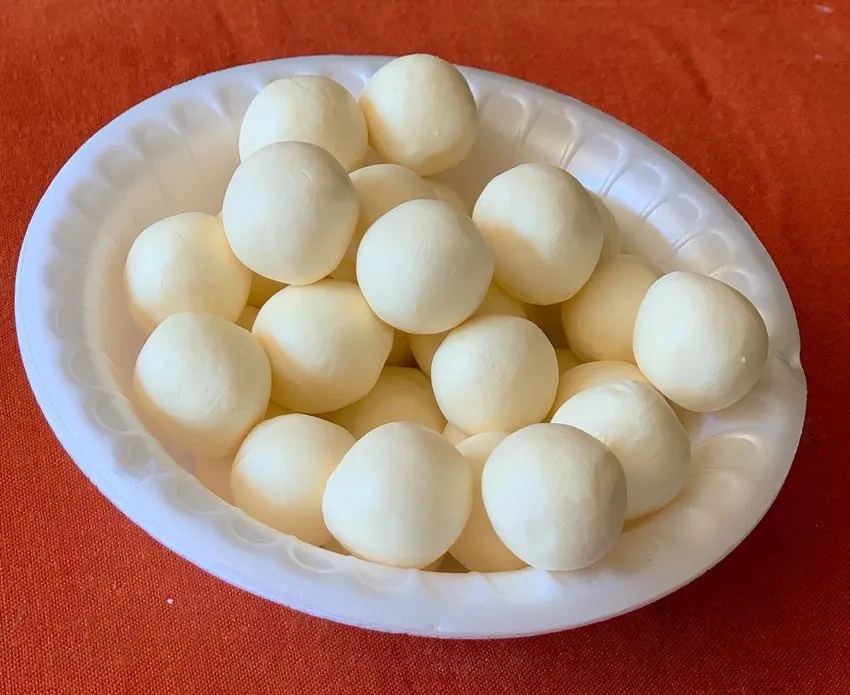
- Roll the balls thin, about 11 inches long and about 1⁄4 inch thick.
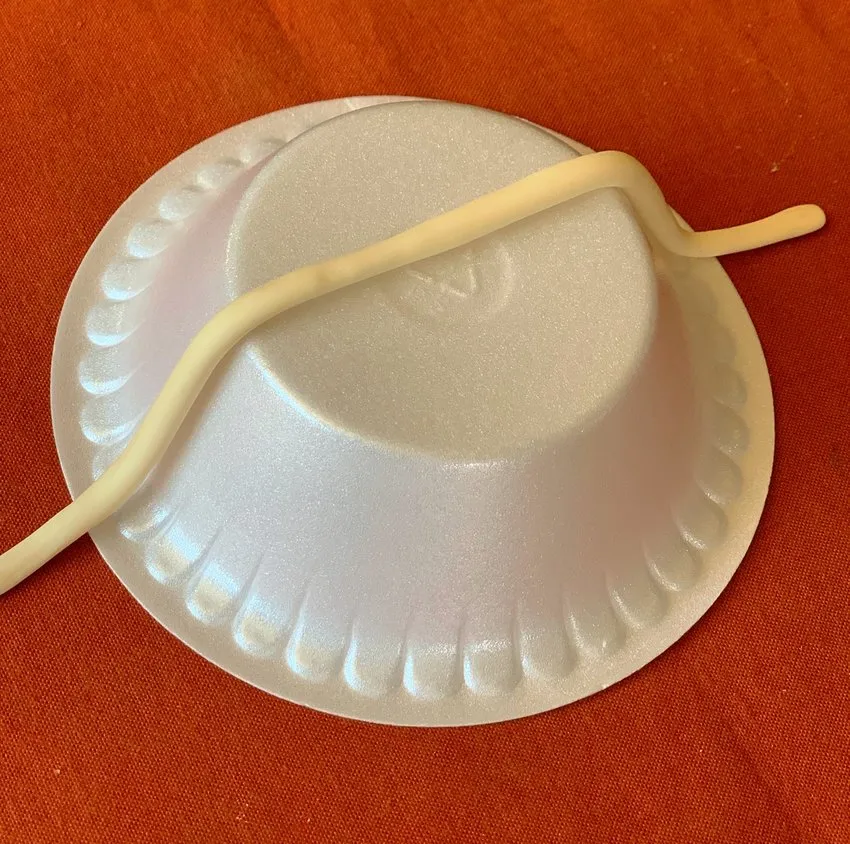
- Lay three strips over the bottom of the bowl.
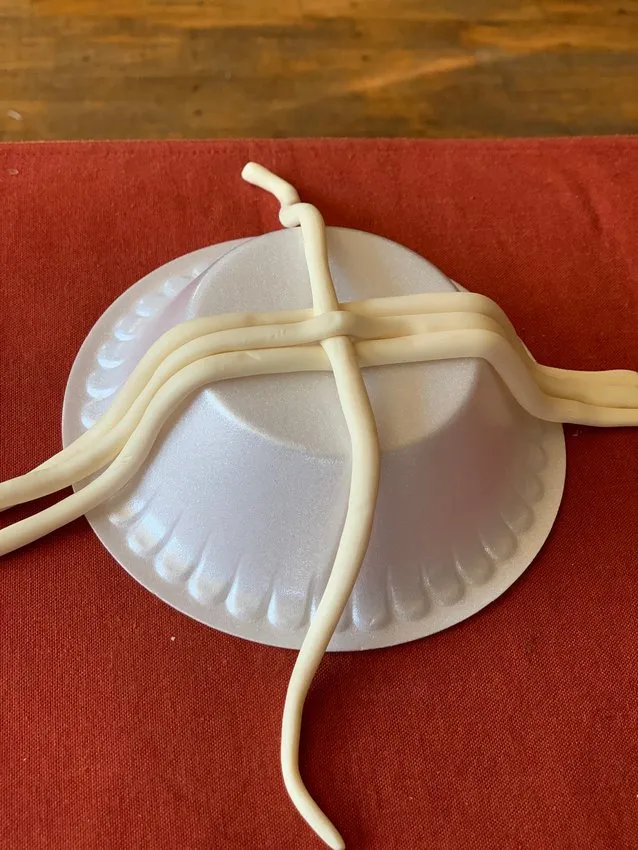
- Use a simple weave pattern to form the basket.
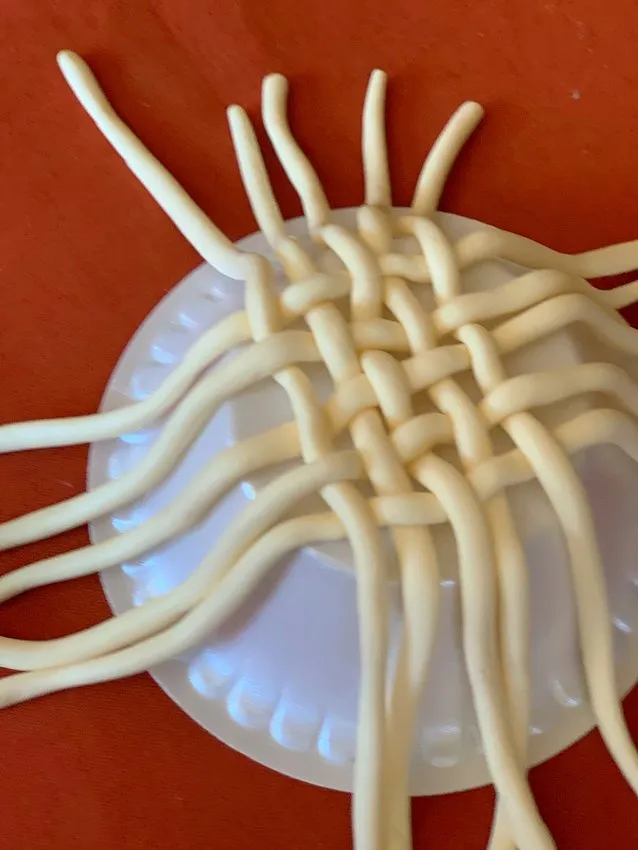
- Use a little water to cement the connections, twist off the tips, and sculpt the rim.
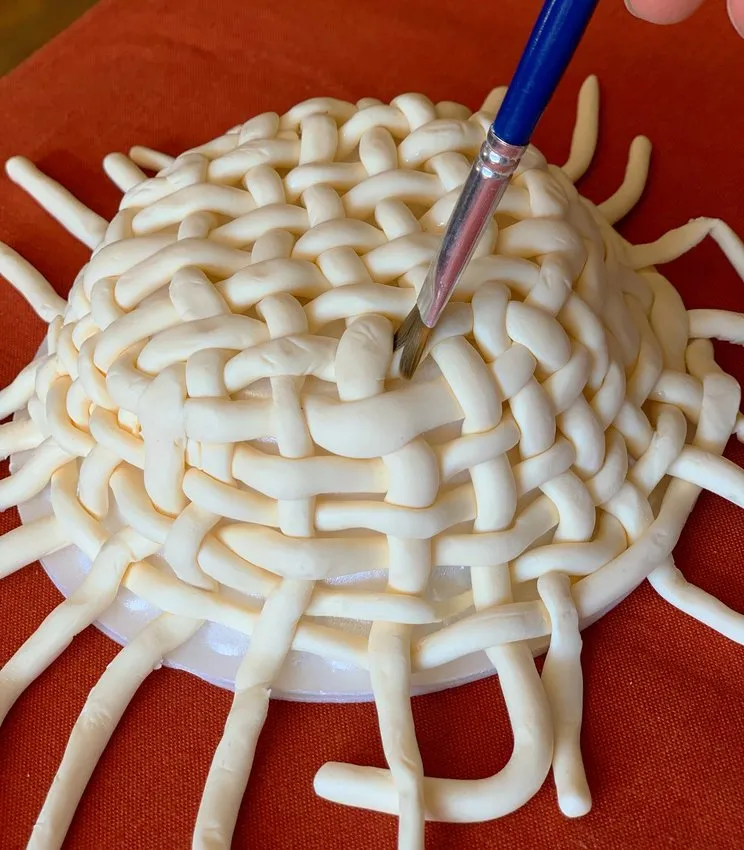
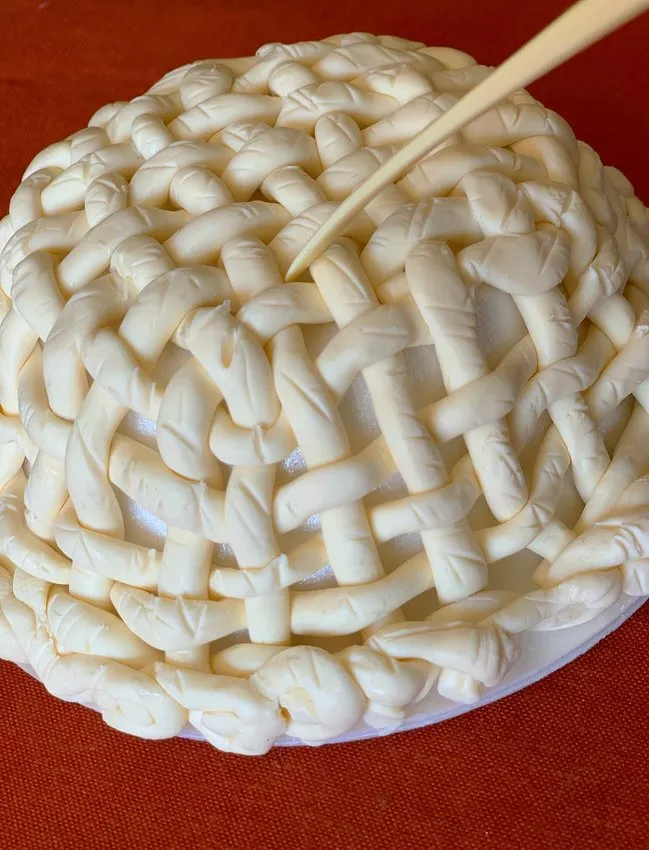
- Use a clay tool to add texture and refrigerate for at least 15 minutes.
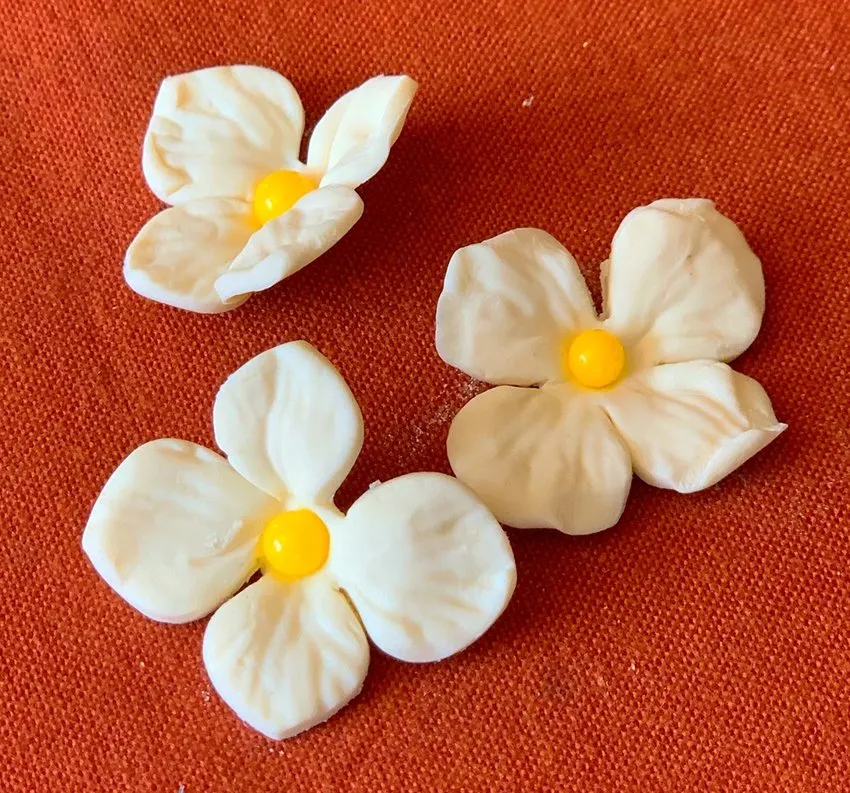
- Use the petal punch to make flowers.
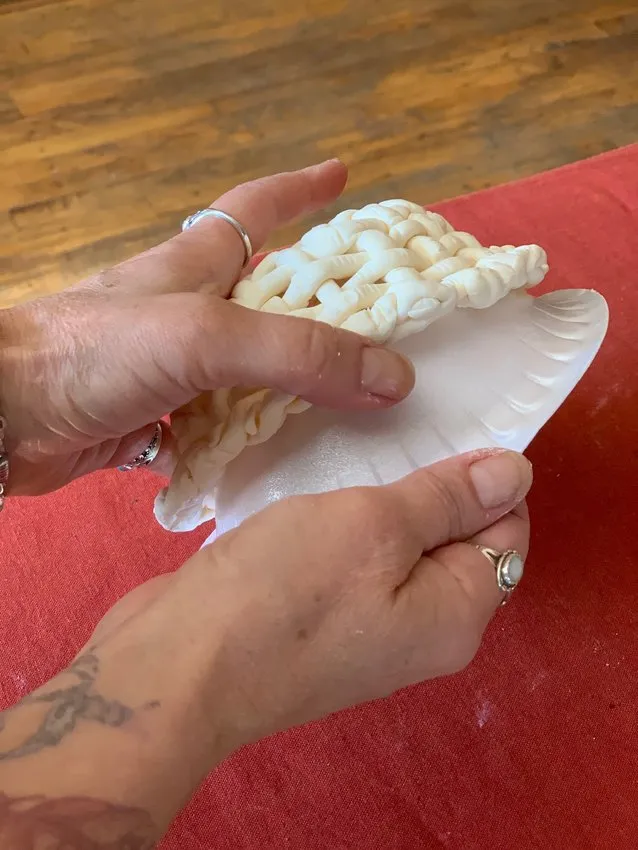
- Pull the basket out of the Styrofoam bowl.
- Paint the basket with brown petal dust.
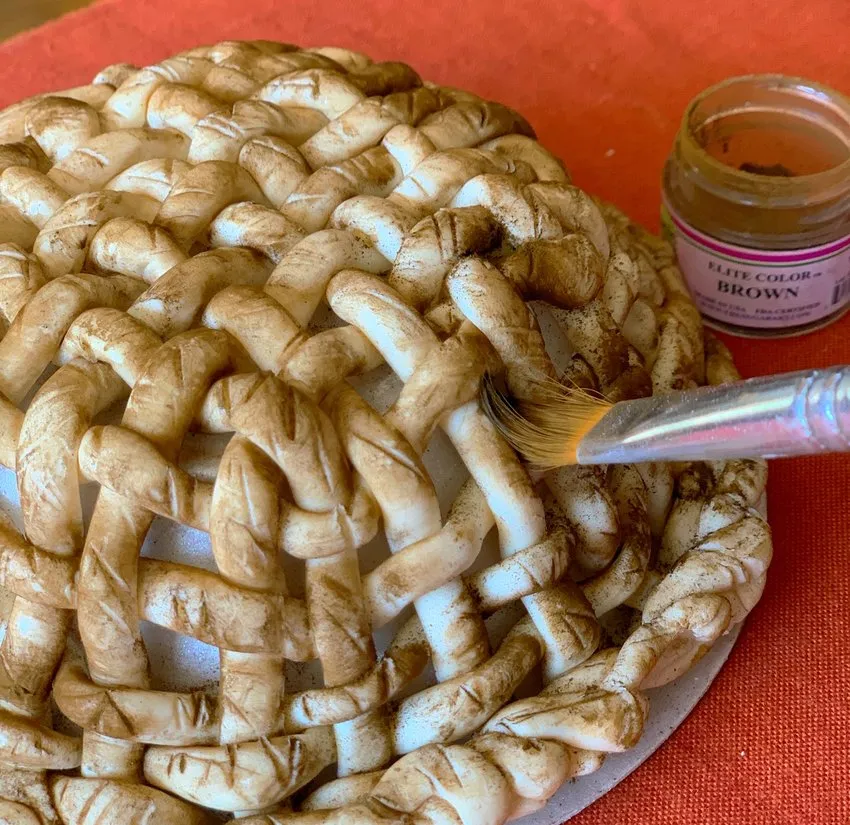
- Add flowers with a little water, then paint with petal dust.
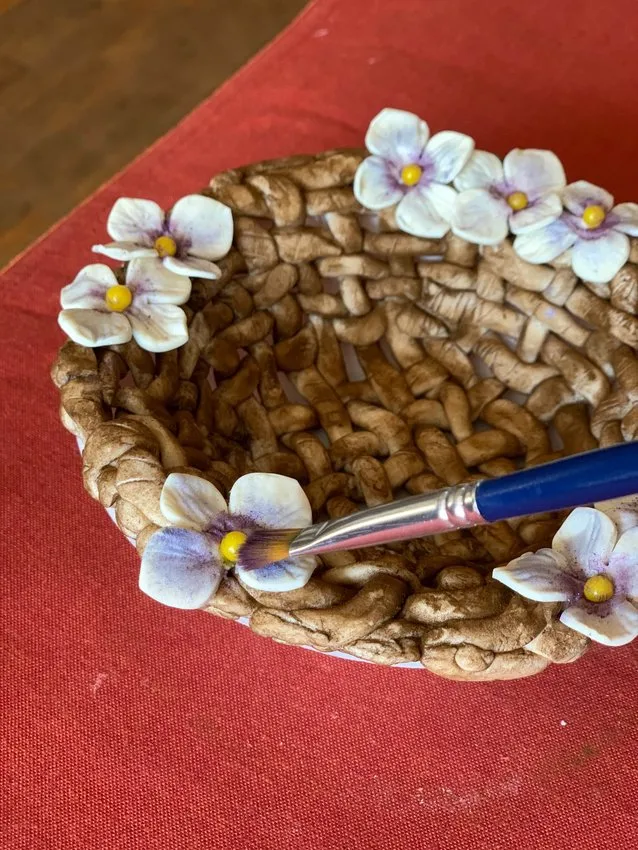
- Cut grass strips out of wafer paper and lay in the basket.
- Add candy.
I thought it might also be interesting to hear a little bit about the origin of the Easter basket. An article in Scientific American, “What’s the Meaning of Easter Baskets?” by Krystal D’Costa, explains the origin:
“Easter is ultimately a celebration of spring. This is a period traditionally where life returns to an otherwise stark and cold landscape, therefore it’s not surprising that the key representatives of this season—the egg and the rabbit—are so heavily steeped in fertility symbolism… Baskets do have a role to play in that particular narrative. They’re symbolic nests, after all, and are specifically used by children in modern Easter egg hunts to carry their prizes. Filled to the brim with eggs and other treasures, they are the epitome of birth and potential.”
So, what could be better than creating an Easter Basket that can be eaten itself?